
A boutique that repeatedly finds stock differences needs a diagnosis, not just more corrections. Begin with the possibility that the records, unit definitions, or movement process are wrong. An unexplained shortage is evidence of an unresolved stock problem; it does not identify who caused it or whether theft occurred.
Group comparable exceptions
Collect the affected variant, location, count cutoff, expected quantity, physical quantity, and investigation reference. Compare cases using the same unit and counting method. Keep a complete set, an earring pair, and a loose component out of the same unit total.
Use the inventory worksheet as the base record. Add cause status separately: supported explanation, working hypothesis, or unresolved. Do not turn an untested explanation into a cause code simply because the monthly report requires a category.
Ask which evidence could distinguish the causes
| Pattern | Useful next evidence | What it does not prove |
|---|---|---|
| One option short and a similar option over | Physical labels, option records, picking history | That quantities can safely be netted |
| Difference begins after a delivery | Receipt entries and integration timestamps | That the supplier short-shipped |
| Display stock absent from the normal bin | Display, sample and temporary-location records | That the stock has left the building |
| Damaged objects still appear sellable | Hold records and stock-state changes | That all physical units are missing |
Shopify's shrinkage guide includes administrative errors, scanning mistakes, transfers, and damage among the operational issues to examine. Those categories are prompts for evidence, not diagnoses you can assign from a count alone.
Do not hide wrong variants inside a correct total
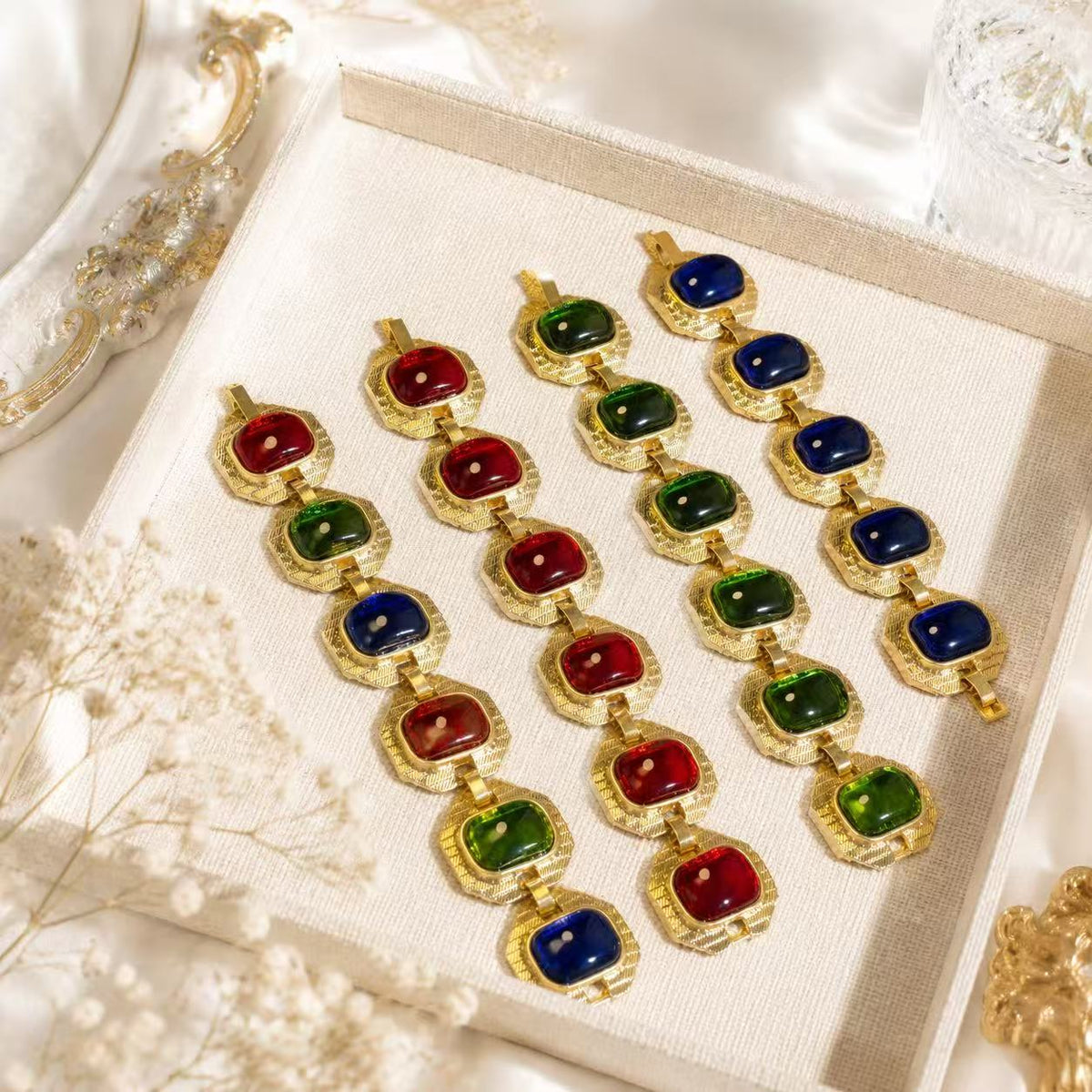
Suppose a fictional bracelet count finds Red two units short and Blue two units over. The net difference is zero, but two variant records are wrong if the observations are confirmed. Show the signed differences and the sum of their absolute sizes: −2 and +2, net zero, four units of absolute row difference.
That four is an accuracy signal across rows, not proof that four physical bracelets were lost. Nor does the zero net difference establish that customer orders received the right colors. Investigate the labels and affected movements before changing either row.
The color-accent bracelet listing has separate named options. Its group image does not turn several colors into one bundled unit, which is why variant-level evidence matters here.

Read the sequence, not just the person field
Adjustment history can show which staff member, app, or channel recorded a change. That identifies the recorder, not necessarily the cause of the discrepancy. A staff member may be correctly fixing an earlier import error.
Check for repeated receipt entries, location mismatches, and changes arriving after the count cutoff. Faire's integration troubleshooting documents situations where linking, delivery events, or catalog restructuring affect inventory updates. Keep those possibilities open until the event evidence rules them out.
Test a narrow process improvement
If several supported cases trace to mixed-color picking, separate the compartments and require a second identity check for those variants. Record when the change started and observe subsequent picks and discrepancies using the same definitions. Compare counts as well as rates; one quiet week with little handling says little about improvement.
If the evidence remains unresolved, retain that status and choose a bounded next investigation. Avoid public accusations or broad staff restrictions based solely on an unexplained variance. Keep private operational records within the appropriate team.
For supplier-side identity questions, use wholesale inquiries with precise product references. The useful outcome is a supported explanation and a testable process change, not an impressive-looking loss percentage.