
Before buying a memorial jewelry gift, ask whether a wearable reminder is welcome at all. A person may want to remember someone without wearing an object, explaining a symbol or receiving another thing to manage. Your offer can remain kind even when the right outcome is to wait or give no jewelry.
Separate support from the purchase decision
Marie Curie's guidance on supporting someone who is grieving emphasizes listening rather than trying to fix grief. Cruse also describes flexible, practical support. Neither makes jewelry a necessary response to bereavement.
You can send a brief message, offer a specific practical task or share an appropriate memory without mentioning a product. Do not withhold ordinary contact while searching for the perfect object. This article concerns a gift decision, not grief treatment or a promised emotional result.
Ask once, with a real option to pause
A private opening might be: “I wondered whether you would ever want a piece of jewelry connected with your memory of Sam. There is no need to decide now, and no jewelry is absolutely fine.” Use the person's name only in a way the recipient welcomes.
If they say no, stop the gift plan. If they say not now, let them choose whether to return to it; do not set a purchase deadline. If they do not respond, do not treat silence as consent or send repeated product links. You can continue ordinary supportive contact without continuing the sales-like conversation.
Let a yes lead to choices, not an assigned symbol
A yes to the idea is not yet a yes to a particular motif. Ask which connection, if any, they want: a shared place, a remembered color, a private detail or simply a design they enjoy. They need not adopt your interpretation.
The butterfly meaning guide explains why a motif does not have one universal message. Here, the further question is who gets to decide whether that message belongs in a remembrance gift.
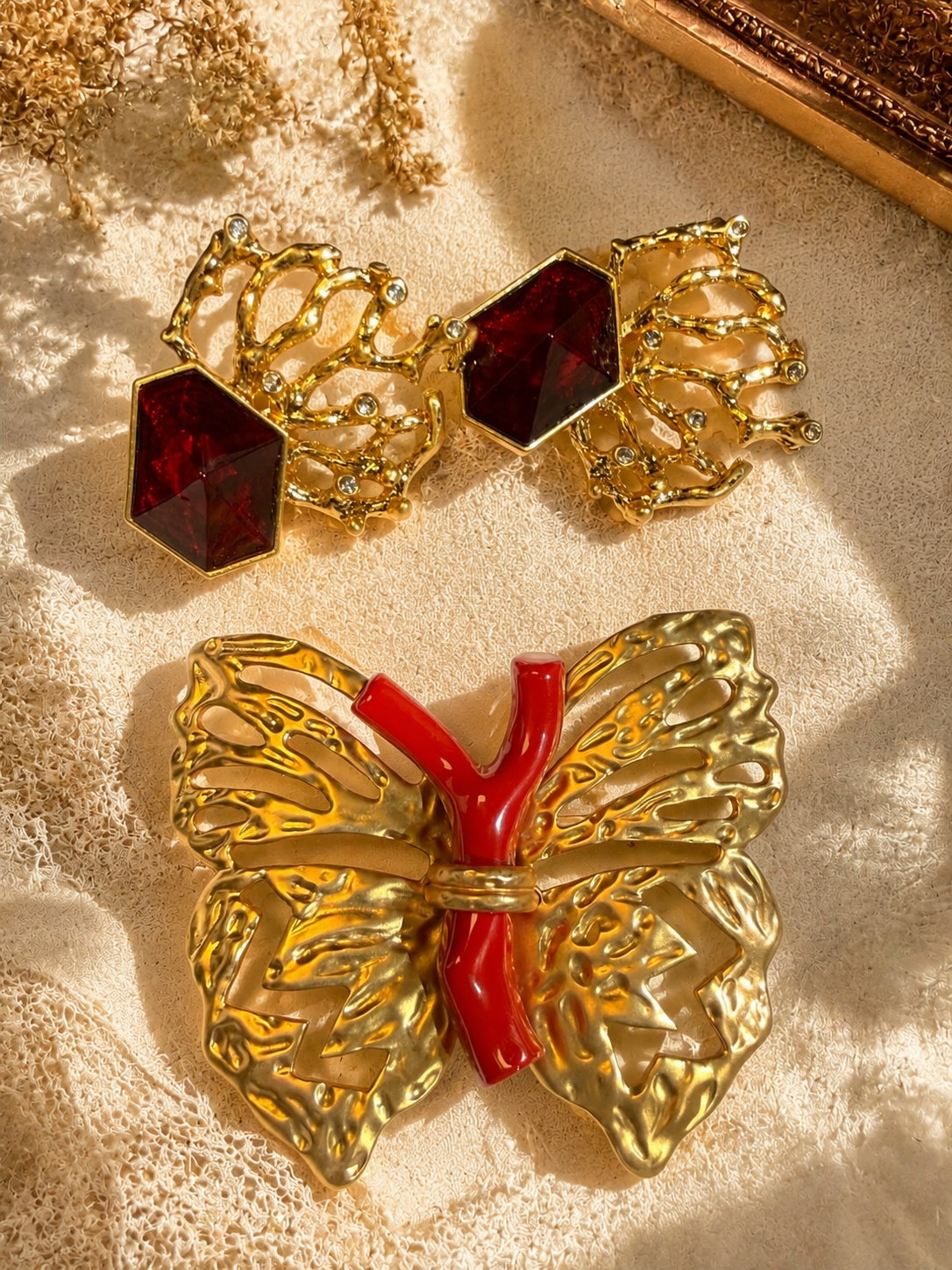
The butterfly brooch and coordinating ear clips in the selected Set variant could be considered only if the recipient actually wants that design and format. The earrings coordinate with the brooch; they are not miniature butterflies. No healing, spiritual presence or recovery meaning is built into the product.

Agree on timing and visibility separately
Ask whether the person wants to receive it privately, choose it together later or leave the idea open. A birthday or anniversary can be a date to ask about, not an automatic deadline for your plan.
Also ask what may be shared. Accepting a gift does not authorize you to post the piece, tag the recipient or explain their loss to others. Nor does it create an obligation to wear it at a memorial gathering or in family photographs.
Write a memory without a required response
Sue Ryder's advice supports sharing memories while taking cues from the bereaved person. Keep a gift note grounded in something you genuinely remember, without telling the recipient what they should feel.
For example: “I remember the afternoons you and Sam spent tending that garden. You mentioned wanting something connected with it, so I chose this with you in mind. It is yours to use however you wish.” This hypothetical wording works only when those conversations and memories actually occurred.
Leave the outcome open after giving
Do not check whether the recipient is wearing it or use its absence to measure appreciation. They can change their mind about a reminder. If they decline before purchase, the brooch collection does not need to supply an alternative.
The complete plan is permission, recipient-led choice and an unpressured handover—or a respectful decision not to give jewelry. Neither outcome tells you how someone is grieving.