
Decide whether you are buying history or a design reference
Vintage and vintage-inspired jewelry can appeal to the same eye for ornate detail, bold silhouettes or classical motifs. The difference is what the description claims. Vintage is an age-related label. Vintage-inspired describes a design relationship to the past. A new-looking object can have an older history, and an old-looking design can be newly produced.
Before comparing listings, decide which attribute matters. A shopper seeking a particular mood can evaluate design directly. A collector seeking an object from a period needs evidence about production and attribution. Neither purpose is inherently better, but confusing them can lead to paying for a history that the available record does not establish.
Put age, style and ownership on different axes
Do not arrange every jewelry label into a single ladder from new to old. “Estate,” for example, concerns previous ownership. Specialist jeweler Lang Antiques explains estate jewelry in those terms and includes contemporary and vintage-inspired designs within that category. A previously owned recent piece can therefore be estate without becoming antique.
| Label or phrase | Primary question | Useful supporting information |
|---|---|---|
| Vintage | When was this item made? | A date range and the basis for assigning it |
| Vintage-inspired or antique-style | What design vocabulary does it reference? | Description of motifs, silhouette or decorative treatment |
| Estate or pre-owned | Has it had a previous owner? | Clear ownership and condition description |
| Reproduction | What earlier object or design is being reproduced? | An explicit relationship to the referenced design |
One object may occupy several axes. A recently made, previously owned reproduction can be estate and vintage-inspired without being vintage by age. Conversely, an older minimalist piece does not need ornate decoration to have a documented history. Style is a poor substitute for a date.
Use category rules in their actual context
Different marketplaces and sellers may define age categories for their own purposes. Etsy's published vintage policy requires an item to be at least twenty years old for its vintage category. That is a platform rule, not a universal jewelry-authentication test or a rule about every use of the word elsewhere.
The policy is useful for another reason: it asks how age was determined and rejects explanations such as purchase at an estate sale as sufficient verification on their own. Location of purchase and date of manufacture are different facts. A similar listing from another seller is also not independent proof of the object's age.
For an antique claim, record the seller's stated date range rather than relying only on the adjective. An attributable description is easier to assess than “very old.” Where price depends materially on authenticity, seek relevant specialist assessment instead of turning an online checklist into an appraisal.
Build a timeline that keeps components apart
A jewel need not have one single date. A decorative component may be older than its mount, or a later repair may introduce a new clasp. The Metropolitan Museum of Art's cameo scholarship illustrates why recurring styles and separately dated components complicate chronology. That is a reason to keep records precise, not to assume that every piece has a hidden earlier origin.
| Timeline field | What to enter | What not to substitute |
|---|---|---|
| Decorative component | Stated production date or range, with its source | The historical period depicted by the motif |
| Mount or assembly | Separate date if documented | The component's date applied automatically to everything |
| Acquisition or inheritance | When the current owner received it | A presumed manufacturing date |
| Document | Author, date and exactly what it identifies | A general story with no link to this object |
For practice, imagine a family note saying a brooch was received in 1988. That is evidence about receipt if the note is attributable to the object; it does not state when the brooch was made. A later invoice describing a replacement fitting adds a repair event, not a new date for every component. Keep both events without forcing one into the other.
Compare three purchase paths
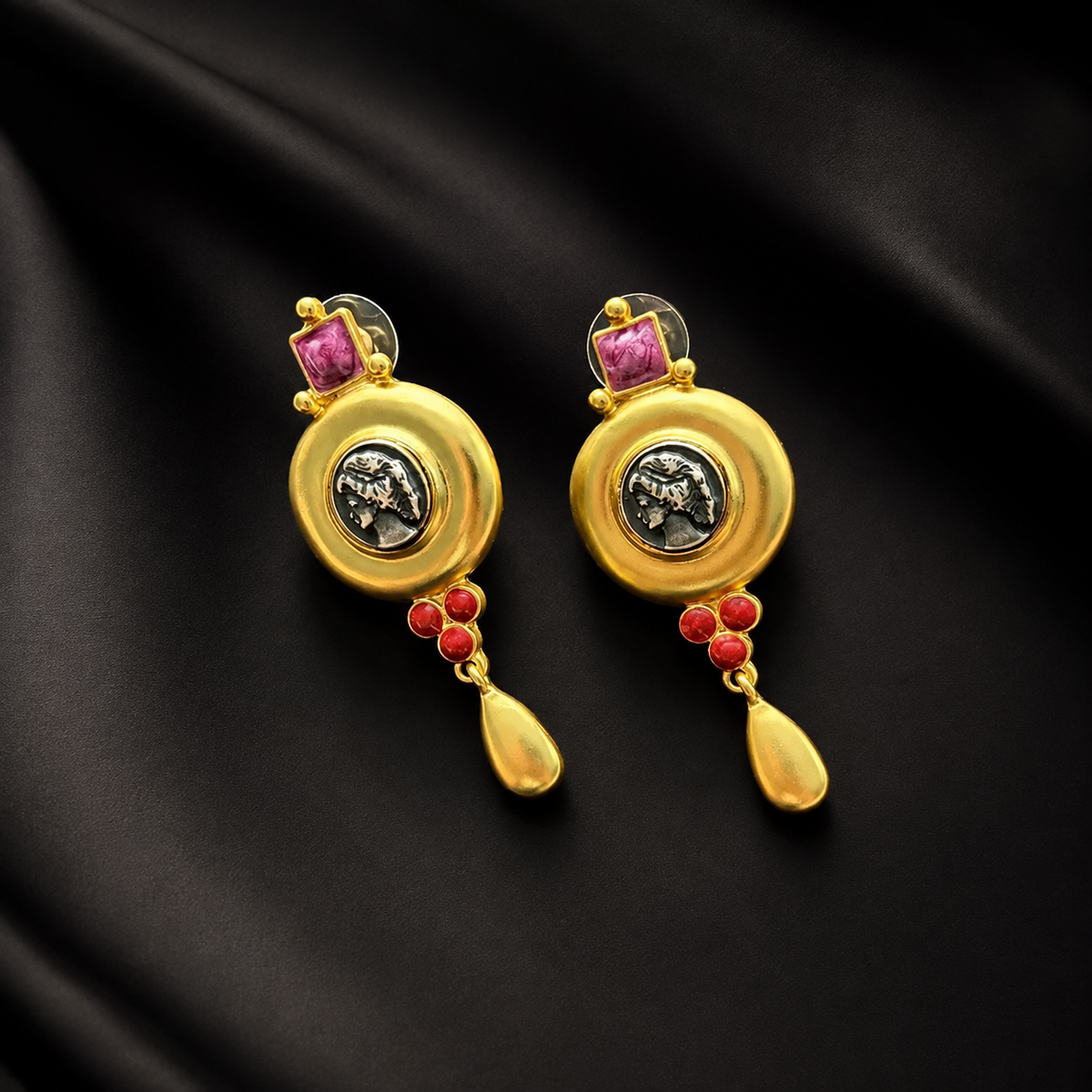
The design buyer: You want a classical profile motif for contemporary clothes. A clearly described vintage-inspired piece can meet that brief without provenance. Put your effort into dimensions, closure, condition and whether the composition appeals to you. Historical attribution is not required to enjoy a design reference.
The period collector: You want an object made within a specified period. An attractive silhouette is only a starting point. Your comparison sheet needs the proposed date, maker attribution if any, supporting record and the distinction between original and later components. A vague story should not receive the same evidentiary weight as an attributable record.
The pre-owned shopper: You primarily want an existing piece with a useful design and acceptable condition. Previous ownership matters, but it does not promise a particular era. Focus on the actual object and its disclosed condition instead of assuming that the estate label settles its age or value.
A clearly stated inspiration example

The product name explicitly uses vintage-inspired language. Its current description explains the medallion and relief details, rather than documenting an antique production date. That makes it relevant to the design buyer's task; this article does not present it as an authenticated historical artifact.
Explore the current jewelry catalog with your preferred axis in mind. If a specific listing phrase needs clarification, quote that phrase through Rustic Jewel Co's contact page. Once you have chosen on the right basis, the Journal offers ways to wear expressive designs without requiring an entire period outfit. A satisfying purchase begins with knowing which story you are buying—and which story is only a visual reference.