
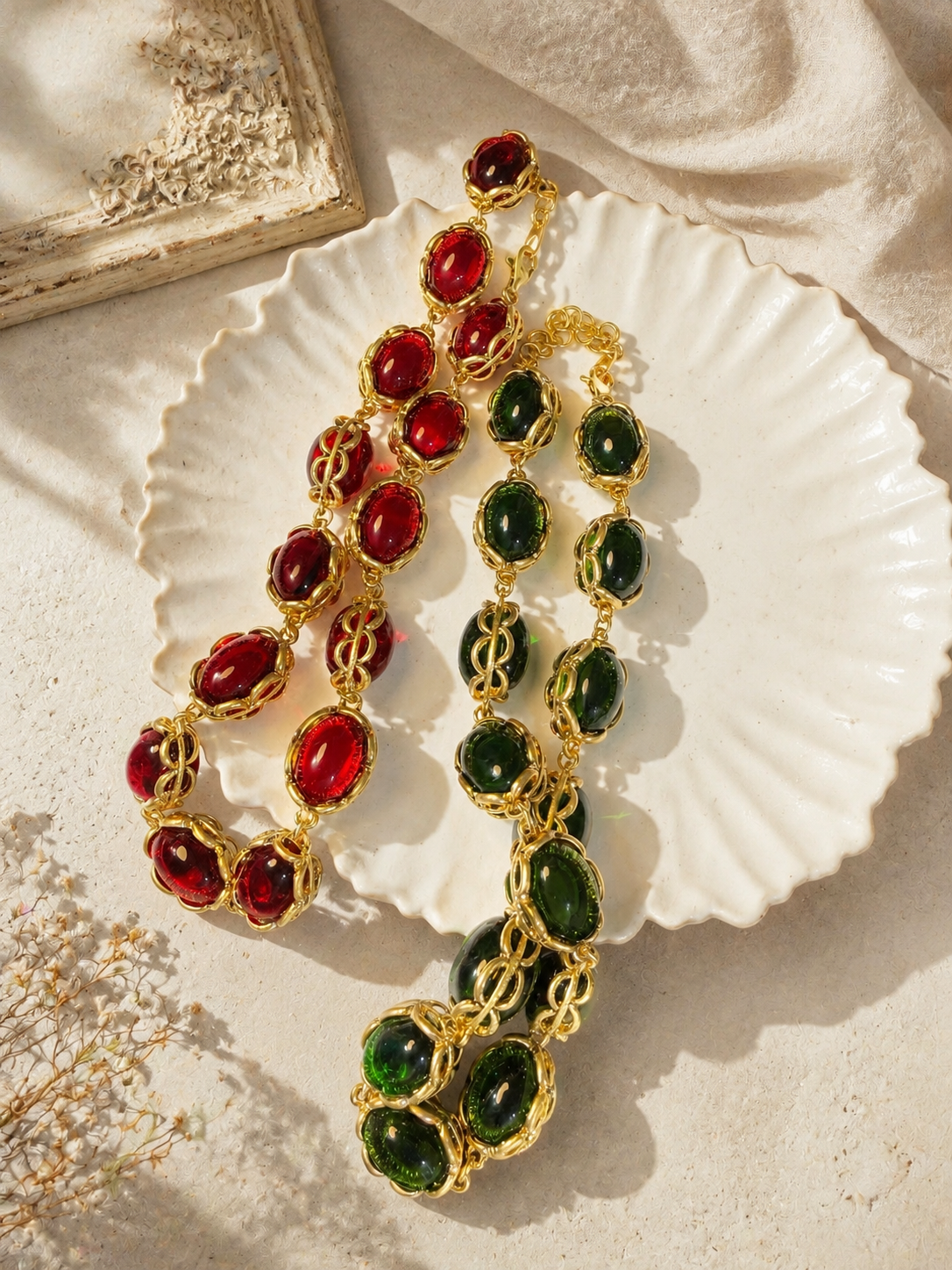
A jewelry return reason is a customer's report, not automatically a verified product defect. Keep that report, your inspection findings, and the policy decision in separate fields. This makes the record useful for improving listings without dismissing the customer or overstating what you know.
Capture the customer's words before categorizing
Use a small set of categories such as size or scale, color expectation, fastening, item received, condition concern, changed preference, and reason not stated. Preserve a short factual note when the category alone loses important detail.
Shopify's returns management overview describes operational return handling. Your store's actual policy and applicable requirements still determine the process; a category label does not decide eligibility.
Separate three different statements
| Field | Fictional example |
|---|---|
| Customer report | “The green looked brighter in the photograph.” |
| Inspection finding | Received option matches the recorded green variant; no further color conclusion from that alone |
| Decision | Handled through the applicable return process, with its own record |
Do not rewrite the first statement as a proven photography defect, or the second as proof that the customer's experience was wrong.

Check the product page that existed at purchase
The pictured necklace image displays separate red and green options. When investigating a mismatch, confirm what the customer selected and what the page showed at the time. A current page may have changed since the order.
Look for missing measurements, unclear selling quantities, or photos that do not map to the selected option. The variant-photo guide helps identify those avoidable sources of confusion.
Review rates with an appropriate denominator
Ten return requests from ten orders and ten requests from a thousand orders are not the same pattern. Define whether your measure counts requests, authorized returns, received returns, or refunded items. Keep the time window and product cohort consistent.
A recent sales cohort may not have had enough time for its returns to appear. Do not declare improvement simply because newer orders have fewer recorded outcomes.
Choose a specific, verifiable improvement
If several reports mention unexpected size, review dimensions and scale images. If they mention fastening, review option names and reverse photographs. Record the change date and observe the same issue afterward, while allowing for small samples and other changes.
Keep customer identities and sensitive details out of public editorial reports. For Rustic Jewel Co purchases, use the current shipping and returns information rather than treating this business-analysis article as a return policy or a promise about any individual request.