
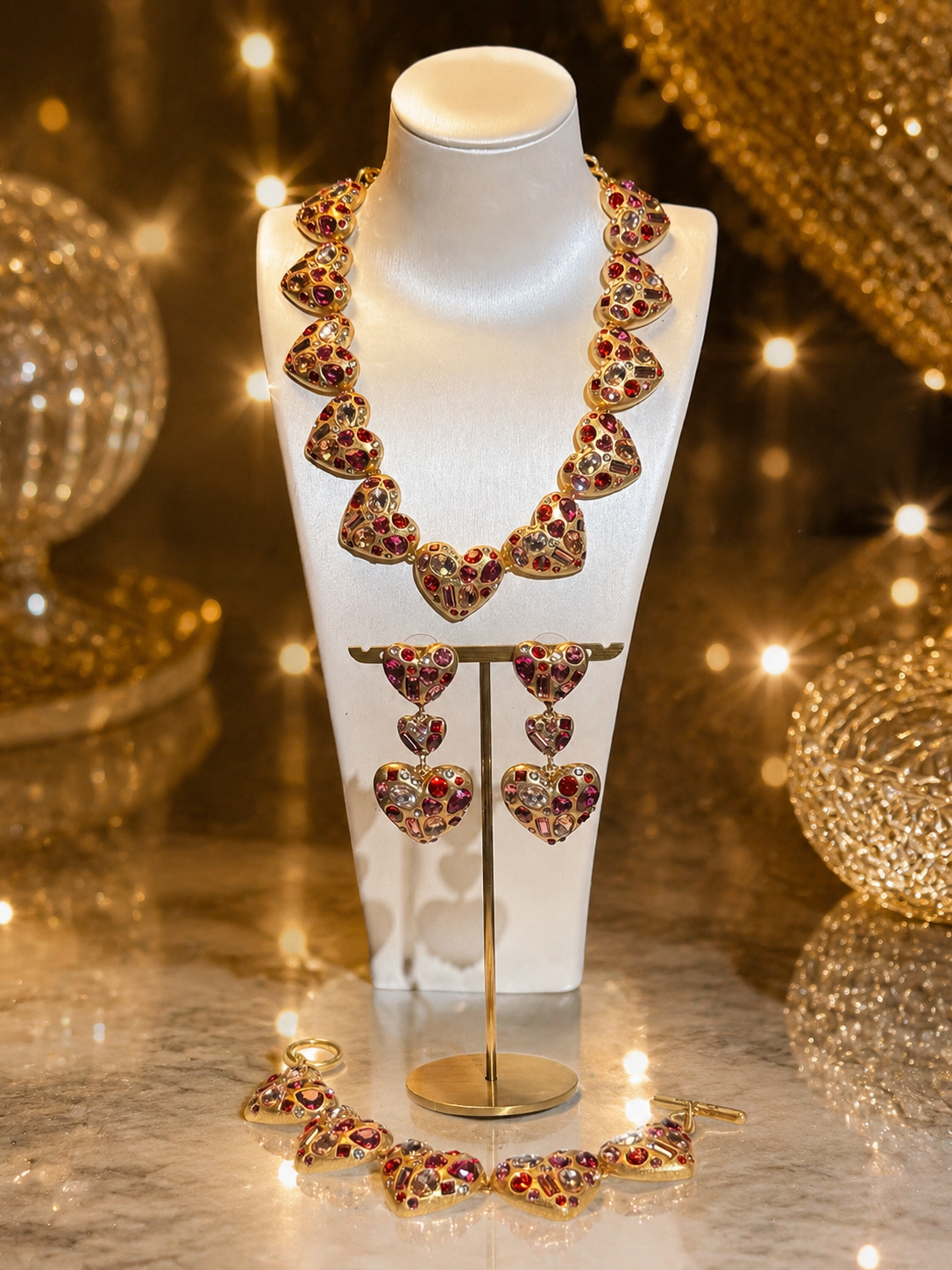
For ordinary non-defective wholesale stock bought business-to-business, confirm any contractual unsold-stock return right before buying. Any mandatory rights under applicable law are separate, vary by jurisdiction and are not determined by this guide. A remedy for a defective item, a retail customer's return policy and a supplier's opening-order benefit are different arrangements. Before choosing a line, confirm which inventory qualifies, the deadline, the required condition and whether you receive cash or credit. Do not assume that buying “wholesale” creates an unsold-stock return entitlement.
Identify which problem the return right solves
“The earrings arrived broken” and “the earrings did not sell” ask different questions. The first concerns an item issue; the second concerns whether the buyer may unwind an otherwise correct purchase. A supplier can provide one remedy without offering the other.
Similarly, a customer returning jewelry to your boutique does not automatically make it returnable to your supplier. The customer return-reasons guide addresses the customer's report and your review. Supplier eligibility must be checked separately.
Distinguish the first order from later buying
Faire's return guidance limits its free-return benefit to qualifying first orders and describes exclusions and account-dependent windows. A reorder containing a style you have never tried is not automatically another opening order.
Other jewelry suppliers structure their offers differently. Pierced Co separates defect remedies from RTV and buybacks. Chelsea Bond describes defect-related conditions for made-to-order jewelry. Such wording does not establish a general right to send back unsold stock. These are particular suppliers' policies, not RJC terms.
Work through a fictional return
Assume a hypothetical boutique buys twelve complete jewelry sets at $20 each and pays $30 inbound freight: $240 + $30 = $270. Its invented agreement permits four eligible, unsold complete sets to be returned, covers their return shipping and does not refund the original freight. These are not prices or conditions for the photographed RJC set.
| Settlement under the fictional agreement | What it means |
|---|---|
| $80 cash refund | Four sets × $20. Net cash paid becomes $190: $160 for eight retained sets plus $30 inbound freight. |
| $80 supplier credit instead | The original $270 cash payment remains paid; the buyer holds credit subject to its actual use and expiry conditions. |
Those outcomes are not financially identical. Neither turns the refund or credit into profit. The buyer still owns the retained sets, and their future sales are unknown. The simplified example excludes tax, duties, fees, labor and any additional handling costs.
Keep the complete selling unit in view

If an agreement accepts a return of complete sets, confirm what must accompany each set. Do not assume that permission to return one set permits sending back only its least popular component. Equally, do not infer a complete-set rule for every supplier from a photograph or another company's policy.
Ask separately about customization, display samples, worn items and damaged goods. Their eligibility may differ from untouched unsold inventory. A return benefit can have real value without covering every item or every cost.
Read the exit conditions before the order
Confirm whether a deadline refers to requesting authorization, dispatching the return or its arrival. Ask about original packaging, condition review, deductions and the evidence required. If freight, duties or other charges are nonrefundable, include them when comparing the buying risk.
Also clarify what happens to an unpaid invoice. A return request is not necessarily an issued credit, and a message about eligibility is not a completed refund. Preserve the payment obligation until the applicable adjustment is confirmed. Obtain qualified advice if the agreement, dispute or local requirements need professional interpretation.
Returnable wholesale stock can still be purchased and owned by the boutique. The consignment versus wholesale guide covers the different question of ownership and settlement.
Choose the line, not just the return benefit
Consider whether the jewelry fits your customer, presentation and budget before valuing a return option. Then compare the actual exit terms. A return allowance does not establish demand, and a restrictive policy does not by itself prove that a product is unsuitable.
For current Rustic Jewel Co selections, ask which wholesale conditions apply before committing to the exact styles and quantities. This article does not offer RJC unsold-stock returns, buybacks, consignment, refunds or exchanges.